Does anyone know how to cook anymore?
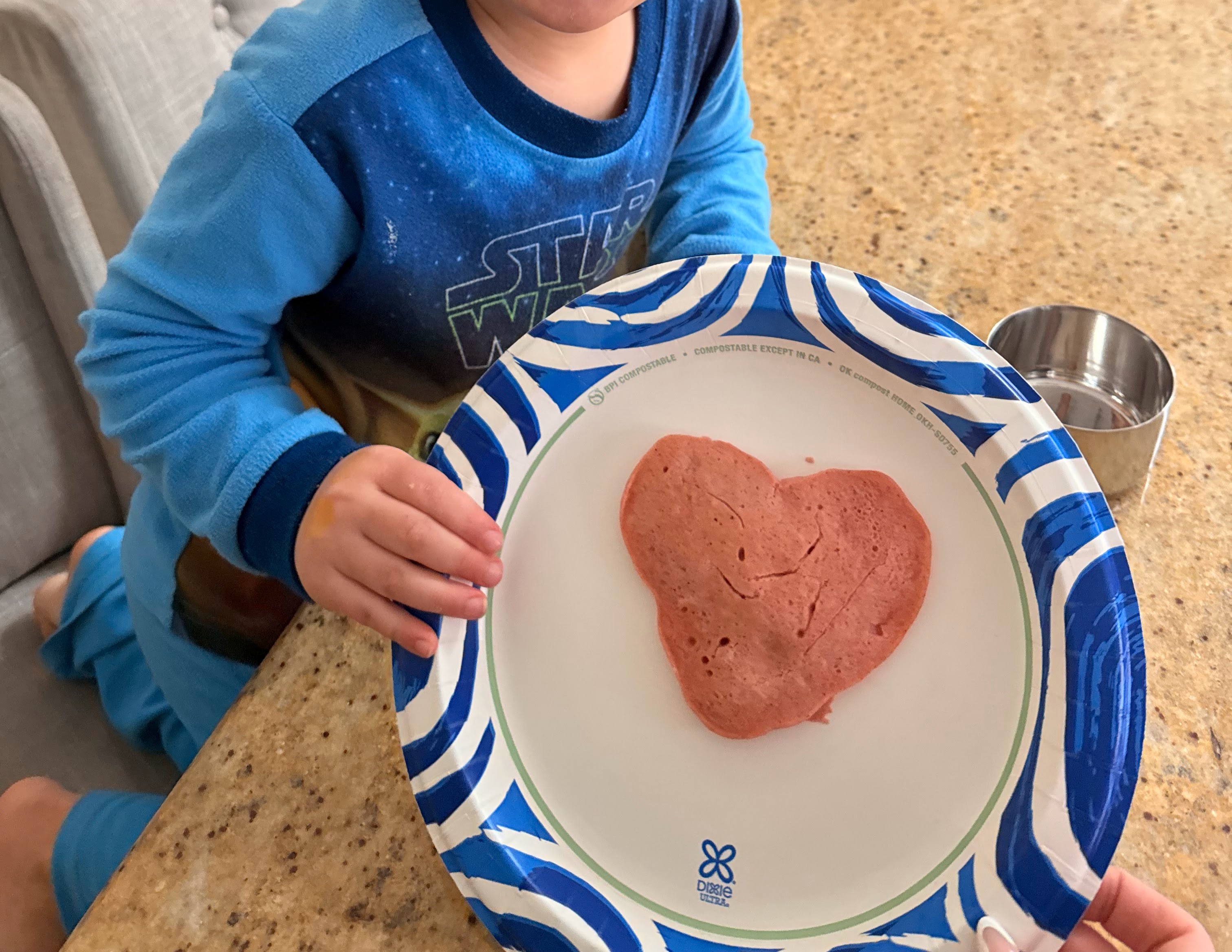
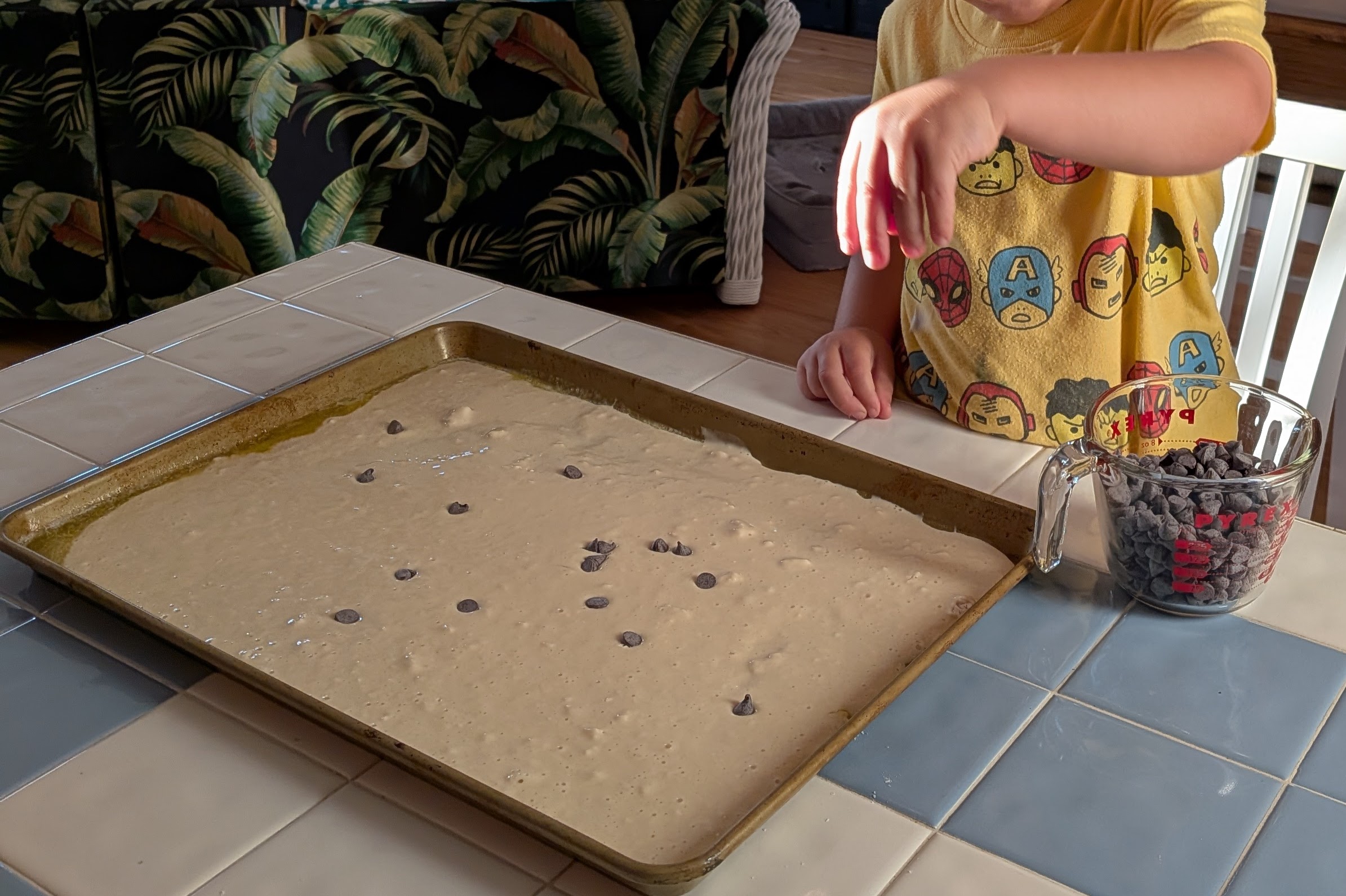
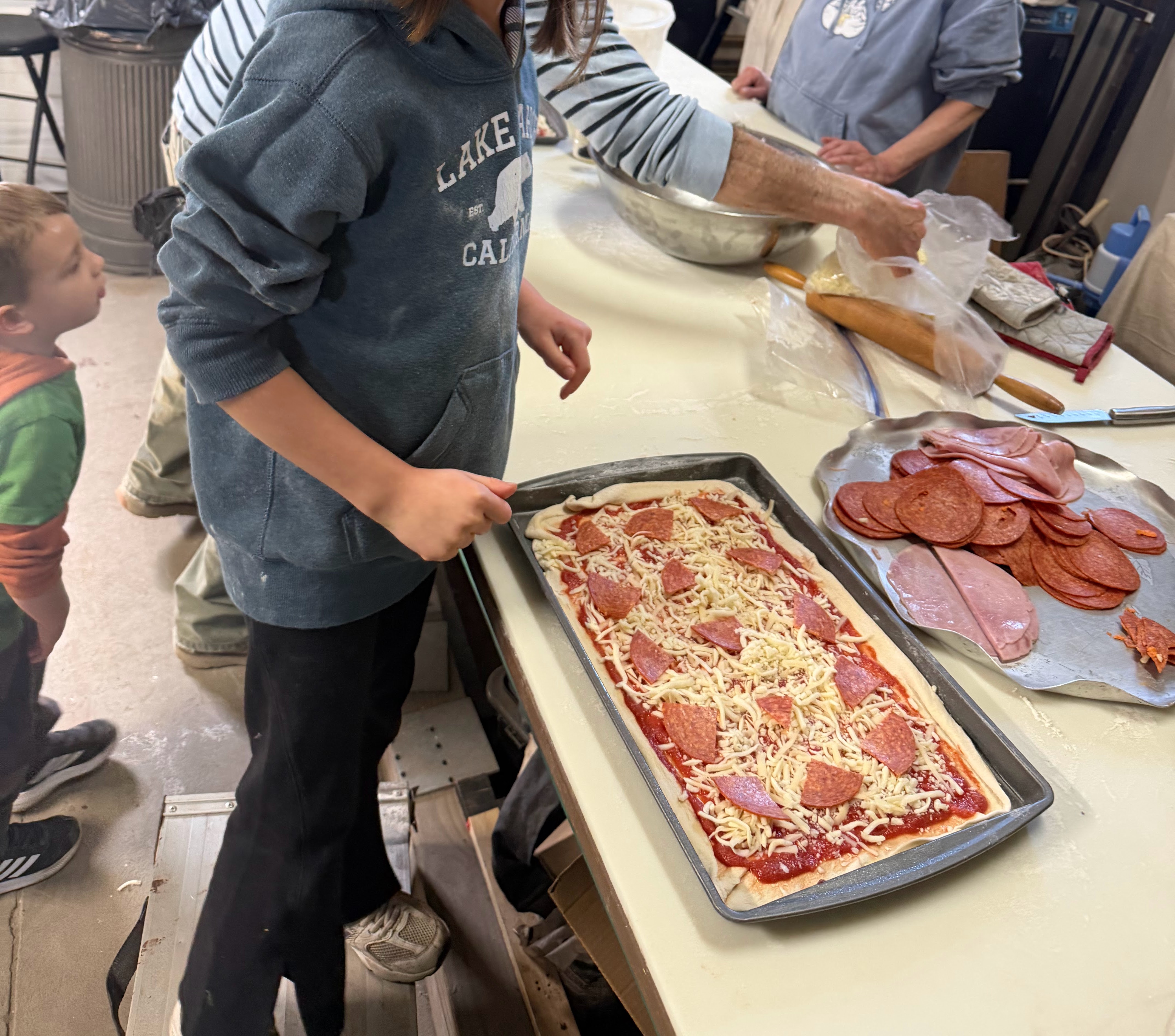
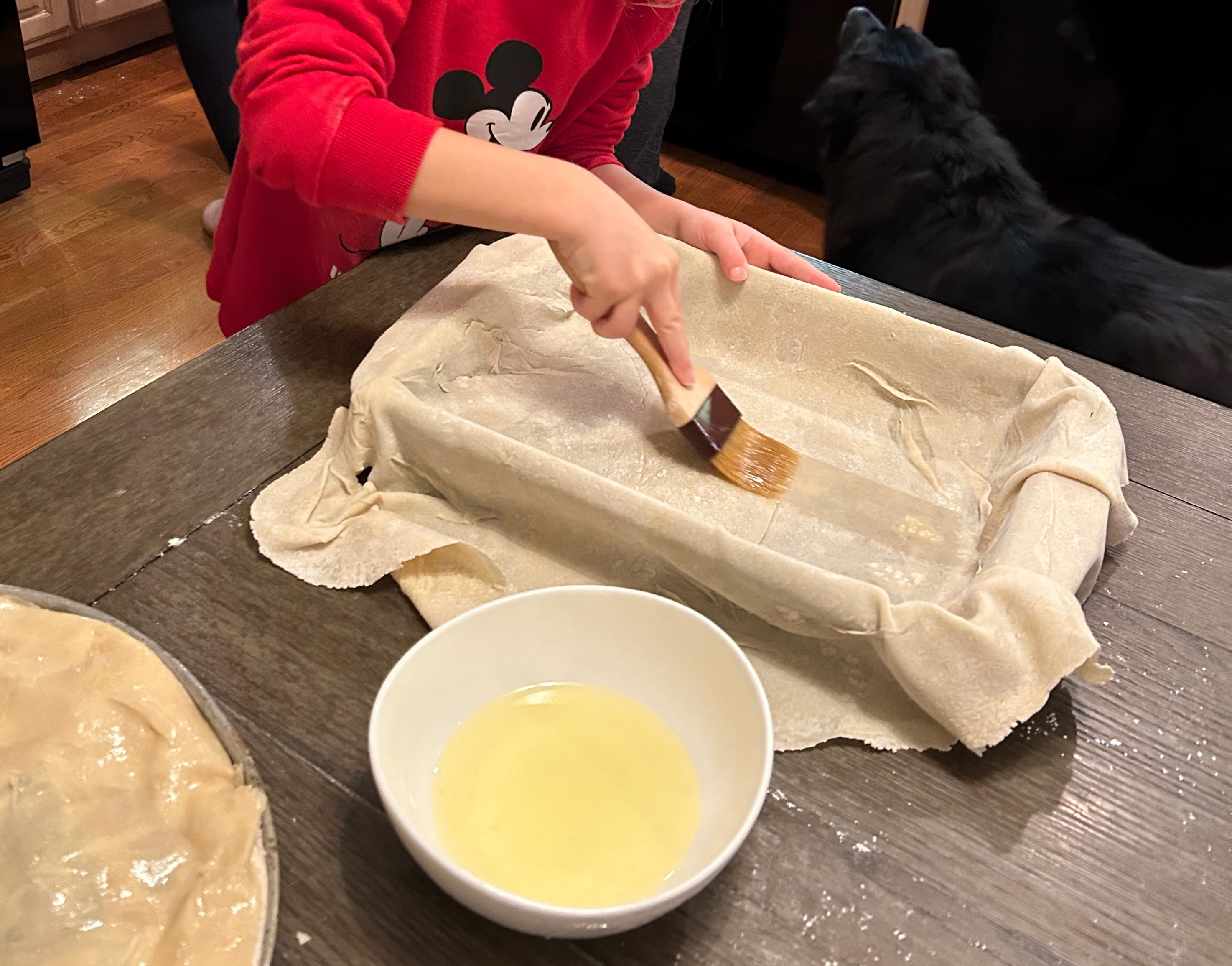
In my role as a nutritional health educator, it still sadly amazes me that so many young adults do not know how to cook a basic meal, read a recipe or a food label. According to national statistics, approximately only 6,000 schools in the US teach any kind of cooking classes/basic skills classes. This is out of about 117,000 public, private and parochial schools combined. These types of classes were phased out of many school curriculums during the 70's and 80's as they were deemed too old fashioned to be of value. We still need to eat, don't we? And we know what fast food has done to our population as a whole so that isn't the answer. In my opinion, the answer starts with getting the kids into the kitchen at a young age and teach them some basic kitchen skills. The recipes can be simple such as putting a healthy sandwich together, making a salad, making a simple cake and then building onto that. Here are some great benefits and tips to start you off - and please know that the pictures below are actual pictures of kids learning how to master some kitchen skills. The youngest is 4, the oldest is 10. It CAN be done!
Five benefits of having your kids start to help you cook –
• Exposes them to new flavors, scents and textures which can help expand and improve their palates.
• Basic cooking know-how can empower them to feel more independent and comfortable in the kitchen – positive reinforcement is a must.
• Educating them how to read a recipe and food labels helps them become more aware of what they are consuming. Never too young to learn about salt, sugar and fats.
• Builds healthy eating habits.
• Kids who help with the cooking are usually more vested in eating what they have created, even if it is just a taste. Even a taste of something new can be a win.
Some tips when kids are in the kitchen helping –
• Closely monitor the use of sharp knives – better yet, there are many options for kid safe knives for sale that would be a great for a youngster. They work well and will build good habits. Amazon has a number of them.
• When working on the stovetop, turn all pot handles inwards towards the stove to prevent accidental spills and possible burns. Stress that the “hot” areas (stovetop, oven and microwave are adult only territory.
• Place a large placemat or dishtowel down on the counter where the child will be working – easy cleanup for the inevitable spills.
• Use plastic measuring cups for dry measuring – easier for little hands.
• When it’s time to crack eggs, let them try but use a separate bowl so any shells (there will be) can be fished out before adding to the other ingredients.
• Never leave a small child alone in the kitchen during cooking.
• Have fun, be positive, celebrate the collaboration and don’t sweat the spills and the mess.